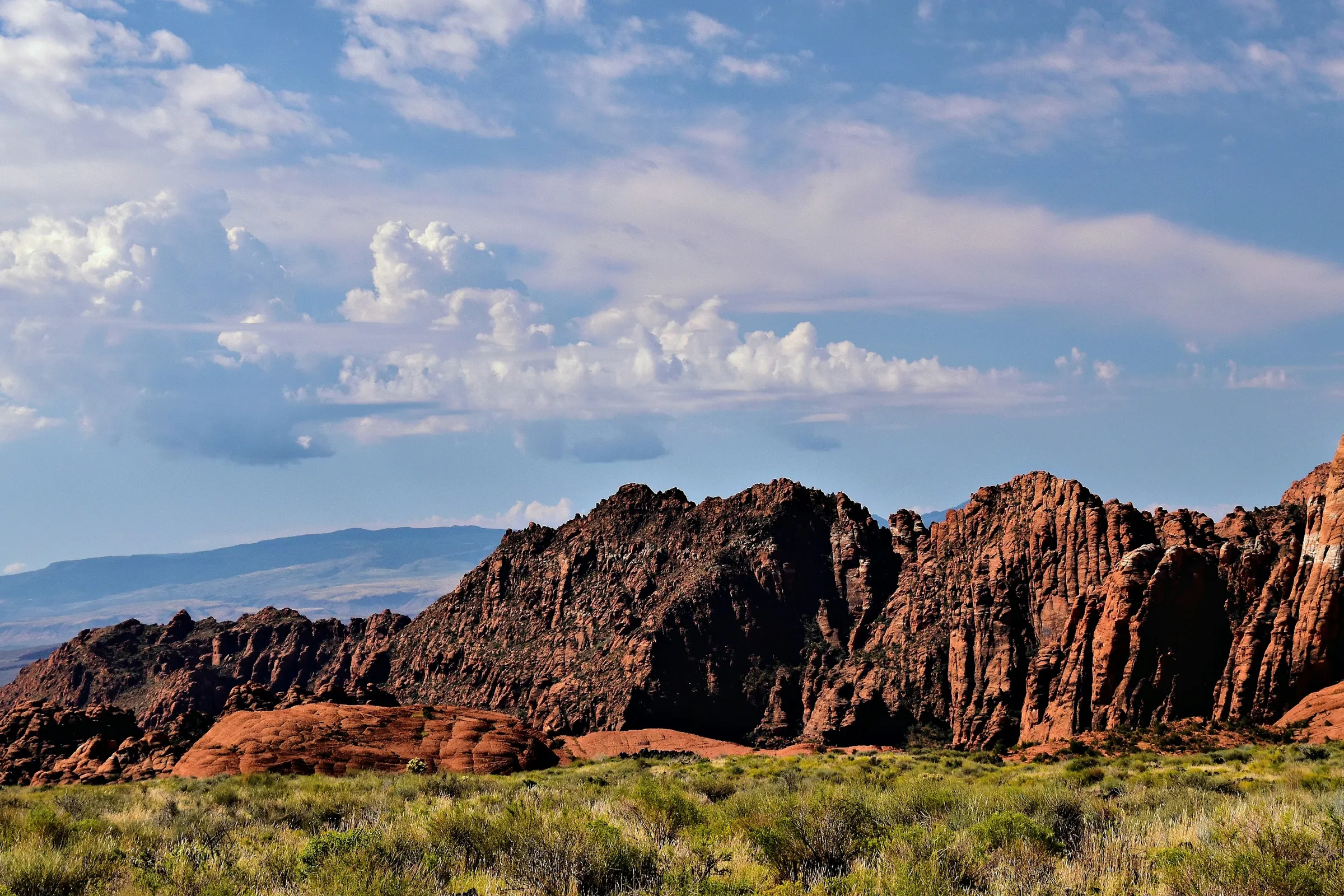

St. George Outdoor Recreation: Book More Clients Online

Millions of people visit Zion National Park every year. Most of them are looking for things to do outside the park: ATV rentals, guided hikes, kayak trips at Sand Hollow, rock climbing near Snow Canyon, bike rentals, horseback rides, zipline tours. They're pulling out their phones, searching "things to do near Zion," and booking whatever comes up first.
If you run a St. George outdoor recreation business and your website isn't converting those searches into bookings, you're handing customers to your competitors. Or worse, to TripAdvisor, where they'll book through a third party that takes a cut of your revenue.
I've looked at a lot of recreation company websites in southern Utah. The pattern is the same: outdated photos, no online booking (or a booking system that barely works on mobile), and zero content about seasonal activities. The businesses are great. The websites are letting them down.
Here's what actually works to turn your site into a booking machine.
Online Booking That Works on Mobile
This is the single biggest issue I see with St. George outdoor recreation business websites. Either there's no online booking at all (just a phone number and a "call to reserve" message), or the booking widget is a clunky iframe that breaks on phones.
More than 70% of travel-related searches happen on mobile devices. Someone standing at their Airbnb in Springdale, trying to book a half-day ATV tour for tomorrow, will not pinch-zoom through a desktop booking form. They'll hit the back button and book with whoever has a system that actually works on a phone screen.
What good mobile booking looks like:
- The "Book Now" button is visible without scrolling on every activity page
- The booking flow takes three taps or fewer: pick a date, pick a time, pay
- Calendar availability loads fast (under two seconds)
- Confirmation emails go out automatically
- The system handles group sizes and add-ons without making people call
If you're using FareHarbor, Peek, or Rezdy, you're already halfway there. But I've seen plenty of sites where the booking widget is buried on a subpage, or the embed doesn't resize properly on mobile. The widget itself can be fine. The implementation on your site is what kills conversions.
One local kayak rental company I looked at had their booking form on a separate "Reservations" page, three clicks deep from the homepage. Their bounce rate was brutal. Moving that booking option to the top of each activity page is a quick fix that changes everything.
Seasonal Activity Pages (Not Just One Generic Page)
Most recreation businesses in St. George run different activities depending on the season. Kayak and SUP rentals peak from April through October. Guided hikes are year-round but busiest in spring and fall. ATV tours run all year but see a winter surge from snowbirds.
Your website should reflect that. A single "Our Activities" page with a bulleted list doesn't cut it. You need individual pages for each activity, and those pages need seasonal content.
Here's why this matters for search: someone Googling "kayak rental Sand Hollow March" is a buyer. They've already decided they want to kayak. They just need to know if it's available and how to book. If you have a page specifically about kayaking at Sand Hollow with seasonal availability notes, you'll rank for that search. If all you have is a generic activities page, Google has no reason to show you.
Build individual pages for each activity you offer. Each page should include:
- What the activity is and what to expect
- Pricing (don't hide it: people will leave to find a competitor who shows prices)
- Seasonal availability with specific months
- Location details (which reservoir, which trailhead, how far from Zion)
- Photos from the actual activity at the actual location
- A booking widget right on the page
Update these pages at least twice a year. Swap in seasonal photos. Adjust the messaging: spring content should mention wildflowers and moderate temps, summer content should acknowledge the heat and push early-morning departures, fall content should talk about the best weather window.
Proximity-to-Zion Messaging
This is the angle most St. George outdoor recreation business owners miss entirely. Your local customers already know where you are. But the visitors, the ones driving serious revenue from March through November, are thinking in terms of proximity to Zion National Park.
Every activity page on your site should mention distance from Zion. "20 minutes from Zion National Park." "The perfect add-on to your Zion trip." "Just outside the park, without the crowds."
This isn't just about convincing visitors. It's about search. People search for "things to do near Zion National Park," "activities outside Zion," "ATV rental near Zion." If those phrases aren't on your site, you won't show up for them.
Your homepage should establish this connection immediately. Not buried in the footer. Right up top: "Based in St. George, Utah, [X] minutes from Zion National Park." Then let each activity page reinforce it with specifics.
Sand Hollow Reservoir is 20 minutes from St. George. Snow Canyon State Park is 15 minutes. Quail Creek is 20 minutes. These are selling points for visitors who don't know the area. Put the drive times on the page. Make it dead simple for someone to understand that your St. George location is a base camp for outdoor activities across all of southern Utah.
Photo Galleries That Sell the Experience
Recreation is visual. Nobody books a guided canyoneering trip based on a paragraph of text. They book it because they saw a photo of someone rappelling into a slot canyon and thought, "I need to do that."
I see two common mistakes with photos on recreation websites:
The first is stock photos. A generic stock image of someone kayaking on a lake that's clearly not in Utah does more harm than good. Visitors to your site will notice. They've already been looking at photos of red rock country for weeks while planning their trip. A flat, green-water lake photo screams "this isn't real."
The second is no photos at all, or tiny thumbnails from 2018. If your best marketing asset is the experience itself, show it off. Invest in real photos from real trips. A GoPro on a guided hike produces better content than any stock photo library.
What to include in your gallery:
- Action shots from actual trips (with customer permission)
- The scenery: red rocks, reservoirs, canyon views
- Group shots showing the social side of the experience
- Gear and equipment (people want to know what they're getting)
- Different seasons showing the same location
Organize photos by activity, not in one giant dump. When someone is on your "Sand Hollow Kayak Rental" page, they should see kayaking photos from Sand Hollow. Keep it relevant.
And compress your images. I've seen recreation sites with 5MB hero photos that take eight seconds to load on a cell connection. That's a death sentence for mobile users who are often on spotty service near the parks. WebP format, sized correctly, is the way to go. If you want to dig deeper on site speed, I wrote about why websites get slow and how to fix it.
Google Business Profile: Your Best Free Marketing Tool
For a St. George outdoor recreation business, Google Business Profile is probably your highest-ROI marketing channel. When someone searches "things to do near Zion" or "ATV rental St. George," the map pack results show up before any organic listing.
If your Google Business Profile isn't set up properly, you're invisible in those results.
The basics you need to get right:
- Accurate business name, address, and phone number
- Correct business categories (be specific: "ATV Rental Service" not just "Recreation Center")
- Business hours updated seasonally (this catches a lot of recreation companies off guard)
- Photos uploaded regularly: at least a few new ones each month
- A complete description with your location, activities offered, and proximity to Zion
Reviews are the other piece. Recreation businesses have a natural advantage here because the experience itself is memorable. People who just finished a zipline tour or a guided hike through a slot canyon are primed to leave a review. The key is asking at the right moment: at the end of the experience, in the confirmation email, or as a follow-up text the next day. I wrote a full guide on how to get more Google reviews if you want the details.
I've also covered Google Business Profile optimization in depth. For recreation businesses specifically, the photos and reviews sections carry the most weight. A profile with 200 five-star reviews and a gallery of real trip photos will outperform a competitor with 15 reviews and a logo as their only image.
Stop Giving TripAdvisor Your Margin
This one is going to sting for some of you. TripAdvisor, Viator, GetYourGuide: these platforms bring in bookings. I'm not going to pretend they don't. But every booking through a third-party platform costs you 15-25% in commission fees.
If someone finds you on TripAdvisor and books directly through the platform, you pay the commission. If that same person had found your website first and booked there, you'd keep the full amount.
The strategy isn't to abandon these platforms entirely. They have their place, especially when you're getting started. The strategy is to make your own website the better option so that over time, a higher percentage of bookings come direct. St. George restaurants face the same math with DoorDash and UberEats, where commission fees eat 15-30% of every order that doesn't come through their own site.
How to shift bookings to your site:
- Make your website appear above TripAdvisor in search results for your business name (basic SEO)
- Offer a small incentive for direct bookings: a free photo package, 5% off, priority scheduling
- Make sure your booking experience is as good or better than TripAdvisor's
- Use your TripAdvisor profile to link back to your site for "more info"
- Build up your Google Business Profile so people find you in Maps before they find you on TripAdvisor
A well-built site with good local SEO will rank for your business name, your activity types, and location-based searches. That means people find you directly instead of through a middleman.
Build Content Around What Visitors Are Searching
Visitors to southern Utah are searching for information before and during their trip. "Best hikes near St. George," "is Sand Hollow good for kayaking in October," "what to wear for a Zion hiking tour." If your site answers these questions, you'll show up in those searches. And the person reading your answer is already interested in exactly what you sell.
A blog or resource section on your site can target these searches. You don't need to publish weekly. Even four to six solid posts covering seasonal activity guides, local tips, and "what to expect" articles will drive meaningful traffic.
Content ideas for recreation businesses:
- "Best Time of Year for [Activity] in St. George"
- "What to Bring on a [Activity] Trip in Southern Utah"
- "[Activity] Near Zion: What Visitors Need to Know"
- "Sand Hollow vs. Quail Creek: Which Is Better for [Activity]"
- "A First-Timer's Guide to [Activity] in Snow Canyon"
Each of these pages targets a real search query, answers a real question, and positions your business as the obvious choice. The post about southern Utah tourism and business websites goes deeper on how to capture visitor traffic specifically.
How Red Rock Web Design Handles Recreation Websites
I'll be direct about the pitch here. I build websites for small businesses in St. George, and outdoor recreation companies are a good fit for what I do.
My sites are custom-coded. That means fast load times on mobile (critical when your customers are on cell service near the parks), clean code that Google can crawl easily, and a booking integration that actually works on every device. $150/month covers hosting, SSL, maintenance, content updates, and direct access to me when you need changes.
I handle the seasonal content updates, image optimization, Google Business Profile setup, and the local SEO work that gets you ranking for "things to do near Zion" and your specific activity searches.
When I'm NOT the right fit: if you need a massive e-commerce operation with hundreds of product SKUs, or if you need a custom-built booking platform from scratch (as opposed to integrating an existing one like FareHarbor), that's a different scope. I'm best for recreation businesses that need a fast, professional website that converts visitors into bookings.
Frequently Asked Questions
How much does a website cost for an outdoor recreation business in St. George?
It depends on the scope. A custom-built site with activity pages, booking integration, and seasonal content management runs about $150/month with Red Rock Web Design. That includes hosting, maintenance, and updates. Some agencies charge $5,000-$15,000 upfront for a template site with no ongoing support. I'd rather give you a site that gets maintained and updated as your business changes.
Do I really need online booking on my website?
Yes. If you're a St. George outdoor recreation business relying on phone calls for reservations, you're losing bookings to competitors who let people book at 10 PM from their hotel room. Mobile booking especially matters: visitors are making plans on their phones, often the day before or day of. A "call to book" message on mobile is a dead end for most people.
How do I rank for "things to do near Zion" on Google?
You need a combination of strong Google Business Profile optimization, location-specific content on your website, and consistent NAP (name, address, phone) across all directories. Individual activity pages that mention proximity to Zion, local landmarks, and specific locations like Sand Hollow and Snow Canyon give Google the signals it needs. Reviews and photos on your Google Business Profile are the other big factor for map pack rankings.
Should I stop using TripAdvisor and Viator?
Not necessarily. They bring in bookings you might not get otherwise, especially early on. The goal is to gradually shift the balance so more bookings come through your own site, where you keep the full amount instead of paying 15-25% commission. Make your website the better booking experience, build up your organic search presence, and use platforms as a supplement rather than your primary channel.
What kind of content should I put on my recreation business website?
Activity-specific pages with pricing, availability, and booking are the priority. Beyond that, seasonal guides ("Best time to kayak Sand Hollow"), "what to expect" articles for first-timers, and location comparison posts ("Sand Hollow vs. Quail Creek for SUP") all target real searches from people planning southern Utah trips. This content positions you as the local expert and drives organic traffic from people who are already interested in your activities.
Get More Bookings From Your Website
Your outdoor recreation business is selling an experience that people are actively searching for. Millions of visitors come through southern Utah every year looking for exactly what you offer. The question is whether your website makes it easy for them to find you and book, or whether it sends them to a competitor or a third-party platform.
See how we handle web design for St. George businesses, or if you want a site that works as hard as your guides do, let's talk about what you need.